Tuesday, November 10, 2009

Increase in Roth IRA Conversions


Posted By, Meredith Anderson


In retirement, your paycheck might go away, but taxes won't.
Still your tax bill can be hard to predict. To have some control over how much you pay the government each year, you should have both taxable and non-taxable accounts from which to draw your retirement income.
Imagine it this way. Perhaps early in retirement you choose to continue to work part time and supplement your income from retirement savings accounts. The combined income may put you into a higher tax bracket. However, if you take some money from a Roth IRA that year, because withdrawals are nontaxable, it could help keep you in the lower bracket.
In later years if you're not working and hitting the next highest tax bracket isn't an issue, you can pull more money from a traditional IRA or 401(k) account.
This type of tax diversification is one of the primary reasons people choose to put some of their money in a Roth IRA, or convert to such an account.


GETTING PERSONAL: Wealth Transfers for Family Businesses


NEW YORK (Dow Jones)--The same weak economy that has stymied some family businesses' plans to sell their operations makes conditions ideal for transferring ownership within the clan.

"With business valuations depressed and interest rates near historic lows, owners can use wealth-planning strategies, such as trusts and other techniques, to pass bigger slices of their businesses to their heirs more cost-efficiently," says Joseph Fahey, the national director of business planning services for Wells Fargo & Co.'s Private Bank.

This can be achieved through a combination of tax-free gifting and sale techniques that freeze the value of a business at today's trough in the business cycle, advisers say.

Cornelia Spring, Northeast Head of Wealth Advisory for J.P. Morgan's Private Wealth Management, says she advises business owners on setting up short-term grantor retained annuity trusts, or GRATs, which are used to pass assets to heirs free of gift and estate tax. If shares held in the trust appreciate at a faster rate than a special Internal Revenue Service rate--which is 3.2% in November--then the upside value goes to the heirs at the trust's maturity.

"It's a way to transfer ownership to the next generation. There is no limit on how much or how often you do this, so it can be a powerful tool if repeated multiple times," she says.


Posted by Kelsey Hoffman

Why Most Twentysomethings Don't Understand Personal Finance


By: MIA SAINI (OC), HARBUS Board of Directors & Section Representative

Posted: 11/9/09

Planning a wedding? Worried about how to pay off your student loans? Debating if you want to buy or rent an apartment next year after graduation? These are all decisions that can be made if one has a command of his or her personal finances and financial goals, both in the short-term and long-term.

As a personal finance junkie, I am often asked how I developed my knowledge on personal finance when I never had formal training during all my years of being schooled or even while I was working at Goldman Sachs. My knowledge of personal finance was built by various encounters with really smart financial experts I met after I graduated from college and was about to enter the "real world." Because there were very few fun resources out there to teach me this stuff, I found learning the information to be very boring but nevertheless extremely useful to how I planned to live my one wild and precious life.

When I found out one of our classmates, Alexa von Tobel, decided to take a leave of absence from HBS to pursue her dream of launching a website to make personal finance fun and exciting, I was thrilled for future generations of smart twentysomethings to have the ability to finally develop a mastery over their finances.

Right before Alexa graduated from Harvard College in 2006, she was sitting around a table with a group of friends, discussing how ridiculous it was she had never had a single class on personal finance. Ironically, Alexa was going to work as a trader at a hedge fund and had just deferred Harvard Business School for two years. Similar to me, Alexa realized the dearth of her personal finance knowledge was extremely apparent. After scouring various resources, she kept finding herself dissatisfied with what was readily available. She found that most personal finance education tools rarely began with the basics and that none spoke directly to her.


Click here to read more...


Posted By: Amy Nightingale

Debt Management

By Quang Nguyen


Many people say that the average Americans are loaded with the credit card debts. According to CardWeb.com, each American household has at least $10,700 credit card debt on average. However, having debts on your balance sheet not specifically a bad thing.

If you borrow for a home or college tuition, it usually makes good sense. But before you borrow money, just make sure that you can afford to pay back and try to find the best rates. Besides this, in common sense, most of the debts are bad. So always rely on the credit card to pay for things you don’t really need is not the right thing to do. So how to make your debts under control?

First of all, you can get a handle on your spending, which means make sure you think carefully before any purchase --- Do you really need the product or service? Can you afford it?

Secondly, always pay off your highest interest rate debts first. The key to get out of debt in an efficient way is to pay off the debts which charge the most interest. Once the highest debt is paid down, move to the second highest debt, and so on. In addition to this, watch where you borrow is also an important factor to make your debt under control.

Finally, there is one more thing to keep in mind --- get help as soon as you need it. If you think you are not capable to pay off your debt on time. You should start to seek for help immediately before it turns to be a financial disaster. There are many reputable debts counseling agencies may assist you with mange your debts and improve your financial situation. So don't feel hesitate to get advices from these professional agencies.

References:
http://www.mint.com/blog/train-wreck/debt-management-the-bike-that-crashed-me-financially/
http://www.cgmahq.org/Assistance/Programs/Deb.htm
http://cardweb.com

Make money in 2010: The economy

Posted by Quang Nguyen


You may not feel as if we're out of the woods yet. But the consensus among the 50 leading economists regularly surveyed by the Blue Chip Economic Indicators is that the recession is indeed over, and from a technical standpoint at least, probably ended in the summer.

You're right, though, to feel less than sanguine about this pronouncement. The majority of those economists put growth at just 2.5% next year, and several believed 1.7% was closer to the mark -- well below the U.S. long-term average of 3%.

Click here to read more

Making College Affordable


By Linda Stern

WASHINGTON (Reuters) - The college application process that dominates senior year for many high school students is always stressful, but this year it's even worse.

A report from the College Board shows that college costs continue to rise far faster than parents' salaries: In-state public schools are pushing $20,000 a year and it costs double that to attend the average private college.

At the same time, college savings account balances have fallen, other costs have risen as many parents face unemployment, debt problems and other financial challenges. And more students than ever are applying for college, providing increased competition for the most coveted seats and scholarship programs.

Feel discouraged yet? Don't be. Instead, remember that there are many, many paths to happiness and success that don't run through Harvard yard or Yale's central campus or even straight through any four-year program.

Go out and talk to folks in their mid 20s, and you'll discover many, many people in great jobs and happy relationships who transferred into (and out of) those top name brand schools, took pre-college breaks, started at community colleges, finished at their state schools or took myriad other routes to their current situations.

So avoid worrying and avoid the stress-spewing mother (you know who she is) who waits for you in the parking lot at all of the soccer games wanting to know how your kid is doing on his apps.

Click here for more information

Monday, November 9, 2009

Could the Supreme Court Boost Mutual Fund Fees?

Posted by Jonathan Tse


By David Bogoslaw

Investors in mutual funds may need to brace themselves for higher fees in the future if a case under review by the U.S. Supreme Court results in a substantially different legal standard for judging whether or not fund advisory fees are excessive. On Nov. 2, the Supreme Court heard oral arguments in Jones v. Harris Associates LP, in which the plaintiffs—individual shareholders in the Oakmark Funds—claim the mutual fund adviser, Harris Associates, violated its fiduciary duty by charging them fees that were double those the adviser charged institutional investors.

What complicates the case is the fact that Chief Judge Frank Easterbrook of the Seventh Circuit Court of Appeals, in ruling for the defendants, rejected Gartenberg v. Merrill Lynch Asset Management, a decision by the Second Circuit Court of Appeals in New York in 1982 that has served as the legal standard by which all excessive-fees cases have been evaluated for nearly 30 years.

CLICK HERE TO READ MORE

Friday, November 6, 2009

Strategy on Buying Health Insurance

By Quang Nguyen


Insurance is what most people planning to get when living in the United States. Since the medical cost is too high, it is important to get the right insurance. Especially with the current economy, with the increasing amount in medical cost, Americans should look for plans best fit for themselves and prevent from looking for ones with lowest premiums. Choose the plan that’s most important to you.

You can begin with the group plans from your employers. Group plans are usually a lot cheaper than individual plans. I suggest you should get insurance and health benefits from your employer even if they might pay you less than someone else that do not offer benefits.

There are 3 main types of insurance plans you can select. The first one is health maintenance organization (HMO). The second one is preferred provider organization (PPO). The last option is high deductible health plan. Fee-for-service still exists, but the use of it has been decreasing.

Choices are limited if you choose HMO, because you can go to doctors that are associated with HMO’s network. The advantages are that you don’t have to pay deductible and co-payment, and it is a low-cost option.
For PPO you can go to the doctors without its network and only pay a small portion of co-payments. High deducible health plan allows deductible to be higher. The plan is connected with a health savings account. You can save pretax amount in the savings account and withdraw it when you need to pay for deductibles.

In conclusion, it is important to find the insurance plan that fits you. Different people have different needs. A single mom might have a different insurance plan than a senior citizen. You should talk to your doctors before purchasing an insurance plan in order to make sure it covers your needs.

References:
Source 1
Source 2
Source 3

Be a smarter charitable giver

Posted by Quang Nguyen


When it comes to charitable giving, some well-intentioned moves can backfire.

Here's how to make sure your donations have the biggest possible impact, whether you're giving on a large scale or a small one.

Don't be swayed by a pretty face. You like to think you give money based on the worthiness of a cause, but less elevated emotions are often involved. According to a 2005 study led by economist John List at the University of Chicago, people are far more likely to give when a fundraiser is an attractive woman rather than a plain Jane.

Click here to read more

Where is the economy going?

By Jonathan Tse


We are now in the worst recession since the Great Depression. Although the economy seems to be recovering, increasing at a 3.5% rate in the past July-September quarter, the unemployment rate continues to rise. For the first time since 1983, the unemployment rate has hit double digits. In October, the unemployment rate was 10.2, representing almost 16 million jobless Americans. October was the 22nd consecutive month of rising unemployment, which is the longest record of growing joblessness in the past 70 years. The unemployment rate is expected increase beyond 10.5 percent because employers are still reluctant to hire. Demand for oil and other commodities have also been on a decrease as consumers are still not confident in the market and are not willing to spend. Oil prices have dropped 2.8% in October during the same time payrolls for workers dropped $190,000. President Obama signed a new unemployment insurance bill last Friday that not only aids homeowners and the jobless, but also aids businesses. This bill allows businesses to recognize their losses from 2008-2009 and to apply them to any of the past 5 years, before 2008, so they are able to get tax refunds on the taxes they paid in those five years. The only catches are that companies who have accepted TARP money are not eligible and tax refunds for the fifth year are reduced by 50%. This will benefit companies who have suffered the most during the recession.

http://www.google.com/hostednews/ap/article/ALeqM5gNiyJ905Ho0Ur96V2TQhsBX19lGwD9BQ6PG00
http://www.bloomberg.com/apps/news?pid=20601087&sid=a_GNhLXtDs0M&pos=2
http://money.cnn.com/2009/11/05/news/economy/tax_breaks_for_business/index.htm?postversion=2009110611

Daycare is A Major Cost for Working Parents


By: Sara Sindelar


When people start up a job they don’t always factor in the cost of childcare for the future. When you have both parents working and their children are under school age, daycare is a must. If it is a nanny, which can get very expensive, a public or private day care or a family member who will help out you need an option. Daycare is a must for working parents to keep their jobs. With rising fees like licensing and inspections that are being proposed are causing fear among parents. The issue of daycare varies across the nation. Some states are fighting for the best option for the residents while others are raising fees and getting strict on laws.


Daycare today is growing in cost averaging from $250 to $1250 per month. Some companies offer daycare but costs are still high. When looking for a job daycre may be something you think about in your compensation package. Another way to discount your daycare costs is to see if your employer offers a tax-free spending account for childcare like most offer a health care tax free spending account. Though this is not something recent graduates may be looking into in a job it is something to think about for the near future.


http://www.washingtoncitypaper.com/blogs/citydesk/2009/11/05/daycare-fight-continues-union-files-new-lawsuit/

http://www.kgun9.com/Global/story.asp?S=11404009

http://www.babycenter.com/0_daycare-centers-how-much-do-they-cost_6056.bc

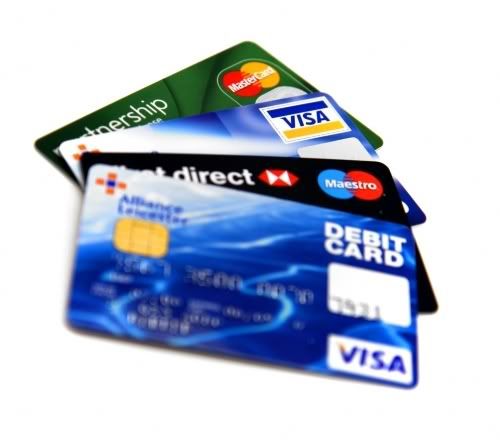
The downside of debit cards

Posted By: Sara Sindelar

Rising rates and soaring credit-card fees mean many are switching to debit cards. But there are risks to using debit cards as well.

By Gerri Willis, CNN personal finance editor


NEW YORK (CNN) -- Out: credit cards. In: debit cards. As more and more Americans shun traditional credit cards, they're turning to debit cards. But you should know there are downsides to debit cards too.

1. Security

This can be a big issue -- You know that if your credit card is stolen, you're not responsible for unauthorized charges over $50. But if your debit-card number is stolen, you have fewer protections. First off, you have to report any misuse within two days to get the same $50 limited liability. If you miss that deadline but you report the loss or misuse within two months, you could be on the hook for up to $500. After 60 days, your liability is unlimited. Card issuers do have different policies though-so make sure you go through the fine print says Curtis Arnold of cardratings.com.


Click Here to Read More

Thursday, November 5, 2009

How to Save on Health Insurance


By: Nicole Nelson


With open enrollment for many plans starting soon, it is important to know how to chose and maximize your health insurance plan. This may mean changing such things as deductibles, co-pays or co-insurance. It could also mean that you should start buying your own insurance, or switch to your spouse’s plan. In determining whether you should sign up for a high or low deductible plan, you should consider how many times you use your coverage during the year. Usually higher deductibles have lower co-pays and lower deductibles have higher co-pays. Therefore, if you are financially stable and a relatively healthy person that doesn’t visit the doctors that often, a lower deductible plan may be a better idea. Also, flexible spending accounts have become easier to obtain and more beneficial. Some employers may also let you have until March of the following year to use these funds. Flexible spending accounts are a good idea because these funds are taken from your pay pre-tax, saving you tax dollars. Also, in determining health care one should look into an HSA (health savings account). These are usually only offered if you have a high-deductible plan. Not all high deductible plans offer an HSA though. There are many options in choosing a health insurance plan. Therefore, all options should be considered in finding the best option for you.


The Cost of Ending A Marriage


By, Meredith Anderson


Many wouldn't usually think about divorce as a business, however the shocking truth is that divorce is $28 million dollar a year-industry in the United States. The average divorce is about $20,000. When we think of divorce we think of how sad and emotional it is for everyone involved. We tend not to think about the finical price tag on happiness.

When a relationship is bad and you want to get out of it to be happy, its unfortunate that money can be a reason that keeps you in it. Its ironic how much money can break up the marriage in the first place but keep people in the marriage because the cost of divorce is more then they can afford.

So how does it get so expensive? In most divorce cases lawyers and other legal expenses are required. Lawyers are extremely expensive and many times two are needed. We tend to forget that with divorce comes separate living situations, so many times a new home must be obtained. Finally one of the hardest and most expensive parts of divorce is when children are involved. Child support, alimony, and other expenses will add up for years to come. You can leave your spouse but you have legal responsibilities to your children.


Sources:

http://money.cnn.com/2009/10/30/pf/marrying_finances.moneymag/?postversion=2009103004


http://www.bankrate.com/brm/news/advice/19990903a.asp


http://www.nytimes.com/2009/10/24/your-money/24money.html?em

Mo' Money Mo' Problems for Antoine


By Jameel Murray

Besides reading of Nicholas Cage squandering his money, there have been numerous reports of celebrities going broke. One recent report has been the unfortunate story of former NBA star Antoine Walker. According to the Boston Globe, Antoine Walker owes over $4million dollars to his creditors. Walker faces up to four years in prison if he is convicted on several felony charges for writing bad checks. Over Walker’s career in the NBA, he earned over $110 million dollars including several endorsement deals. Walker is yet another example of a celebrity who did not manage his money correctly.

According to several sources, Walker was a big spender. He purchased a suit for each game, gambled hundreds of thousands of dollars, and supported 70 friends and relatives. Some also say that Walker’s driveway reflected an auto showroom, filled with Bentleys and other luxurious cars. Walker also picked up the tab on several team dinners, increasing the former All Star’s debt by hundreds of thousands of dollars. The reason for Walker’s situation basically is a consequence of Walker not investing his money wisely. Had Walker taken a course or two on financial planning, he may have been able to live the rest of his life out of debt. Because he is extremely out of shape, he may never get a chance to play on an NBA team to pay off some of his debt. Walker’s only other option is to take his game overseas.

Sources: http://www.sportingnews.com/blog/the_sporting_blog/entry/view/40285/antoine_walker_picked_the_wrong_place_to_do_too_much_the_real_world

http://www.suntimes.com/sports/basketball/1851241,antoine-walker-nba-broke-28.article

http://dealbreaker.com/2009/10/aw.php

Wednesday, November 4, 2009

Poor Nicholas Cage. Literally.

Nicolas Cage


It turns out that Celebrities are just like the rest of us- they hate paying taxes just like all the rest of us do. The latest celeb to fall victim to a public personal-finance debacle is Nicholas Cage. According to sources, Cage owes about $6million in unpaid taxes from 2007 to the IRS. He owes more than $350,000 for back taxes from 2002-2004.

Cage's financial troubles are due to speculative real estate investments and accounting techniques. He is now involved in a $20 million dollar lawsuit. He is being forced to sell major assets and investments at a signicantly lower price which he will take as a loss. Cage is faced with huge tax liabilities because of one of his accountant's incomeptence, misrepresentations, and recklessness. His biggest mistake was a failing to file his client's income taxes.

In order to rake up some cash to pay all of his taxes, Cage is being forced to put the following properties up for sale:

His Bel Air mansion for about $10 million.

His Las Vegas digs, also for roughly $10 million.

A $3.55 million mansion in New Orleans' Garden District. Described as "haunted."

A 24,000-square-foot $12 million mansion in Rhode Island.

Source One

Source Two

Source Three

Posted By: Amy Nightingale

Tuesday, November 3, 2009

Marrying finances - for the second time


Posted by: Nicole Nelson


Written by: Karen Cheney


When Kimerby and Tony Simmons were married last month at a vineyard in the foothills outside Atlanta, they participated in the African-American tradition of jumping over a broom - an act symbolizing their entrance into a new phase of life together.


For Tony, 41, this was the second time making such a leap, his previous marriage having ended in divorce. That breakup "put a big dent in my finances," says the software sales executive. "I thought there was no way I was getting into another relationship."


But then, on a flight from Chicago to Atlanta, he met Kimberly. And, soon, he fell in love. "It was the flight that changed our lives," says Kimberly, 39, for whom this is a first marriage.


The downside of debit cards


By Gerri Willis
Posted by Jameel Murray

NEW YORK (CNN) -- Out: credit cards. In: debit cards. As more and more Americans shun traditional credit cards, they're turning to debit cards. But you should know there are downsides to debit cards too.

1. Security

This can be a big issue -- You know that if your credit card is stolen, you're not responsible for unauthorized charges over $50. But if your debit-card number is stolen, you have fewer protections. First off, you have to report any misuse within two days to get the same $50 limited liability. If you miss that deadline but you report the loss or misuse within two months, you could be on the hook for up to $500. After 60 days, your liability is unlimited. Card issuers do have different policies though-so make sure you go through the fine print says Curtis Arnold of cardratings.com.

click here to read more

Senior's Benefits of 're-tiring'


Posted By, Meredith Anderson


People who began collecting Social Security at age 62 and restart their retirement benefits at 70 would get about 76% more a month. The catch is that they must repay what they had already received.


By Kathy M. Kristof Personal Finance
November 1, 2009


The Social Security Administration recently announced that retirees would get no cost-of-living adjustments this year -- and maybe not even next year -- because the inflation measure it uses to determine them has declined for the first time in more than three decades.


Congress and the administration are working on legislation to provide seniors a $250 consolation prize, a one-time check that would amount to about 2% of the average senior's benefits. But retirees may be able to do far better than that by taking advantage of a loophole in the Social Security law. Using this loophole, which allows you to "restart" your retirement benefits years after you've retired, can be risky. But if you're healthy, have some savings and are under age 70, it may well pay off in spades.


Someone who originally retired at age 62 and "re-retires" at 70, for example, would boost monthly benefit payments by 76%, said Brett Horowitz, a certified financial planner with Evensky & Katz in Coral Gables, Fla.


Monday, November 2, 2009

How to survive this holiday season

By Alma Zhumagulova

Results of numerous surveys conducted on this year’s holiday spending plans show that this year many of the respondents intend to spend less than last year. Everyone is looking for large sales discounts and coupons (at least 20%), free deliveries and competitive pricing. In response to that many retailers are already having sales and discounts, for example, Wal-Mart and Target are decreasing their prices on toys and other gifts.
The top gifts of this holiday season are clothes and small but smart electronics such as notebooks, MP3 players, e-Books etc. Gift cards are promising to be one of the most popular gifts of this season averaging at $35 per card as found by Deloitte’s 24th Annual Holiday Survey. The top store destinations of this season are department stores, grocery stores, internet electronics stores, and candy and sweets stores.
During these difficult times many of us are struggling to make presents to all the loved ones while not overspending when the money is already tight. The right decision is to develop and stick to a certain holiday budget and a gift list. To avoid excessiveness one should set aside some amount of cash for holiday gifts so that one would always remember that the budget is restricted when shopping for gifts. Starting the holiday shopping early on is another good tactic; it gives more time to comparison shop and helps avoid last minute rushes. Now is a good time to get more creative with gifts: make them yourself, arrange fun gift exchanges with family members and friends, organize parties-as-gifts, and make group gifts to a family. Lastly, if you are out of options, give gift certificates for smaller amounts that although being small give the recipients a choice to get what they want.

Sources:
http://www.nacsonline.com/NACS/News/Daily/Pages/ND1102094.aspx
http://abcnews.go.com/Entertainment/WireStory?id=8948891&page=2
http://www.minyanville.com/articles/shopping-retail-consumer-walmart-sales-target-hasbro-mattel-limited-clothing-toys-holiday-cadbury-books-clothes-amazon-apple-electronics/index/a/25242
http://www.alvaradopost.com/articles/2009/10/29/community/doc4ae9f02f096bb757915954.txt

10 Tips to Save on Holiday Gifts


Given the shaky job market, holiday budgets are tighter this year. According to a survey by PriceGrabber.com, 53 percent of consumers are planning to spend less on gifts. Retailers are anticipating greater demands during the holiday season because of higher-than-expected Halloween purchases this year, says Ken Burke, the founder of MarketLive, which does E-commerce research. Already 30 percent of those surveyed have begun their holiday shopping, with 22 percent having started in October. So to avoid the winding lines and sold-out merchandise, here are 10 tips to save you time and money as you kick off your holiday shopping:

1. Comparison-shop online
Left with excess inventory last year, retailers are going to sell fewer items in stores this holiday season. As a result, more people are going to go online for research, price comparison, and convenient shopping, says Burke. In PriceGrabber.com's survey, 70 percent of consumers said they're planning to research and comparison-shop online for the holidays. One way to do that is through sites like ComparisonShopping.com, which aggregates product search results from the 10 leading websites for price-comparison shopping, including BizRate, PriceGrabber.com, NexTag, and Shopzilla. These sites have vendor prices, reviews of vendors and items, and product descriptions. Also, visit FreeShipping.org, which provides free shipping coupon codes for more than 1,710 stores. Other websites have threshold free shipping, where shipping doesn't cost anything after a minimum purchase; Amazon.com, for example, provides free shipping for members whose purchases are over $25.
Click here to read more.

Posted by Kelsey Hoffman

Personal Finance: Investing by gender


Men are from risk; women are from caution

SOUTH BURLINGTON — Women and men have different investment habits: Women tend to be more conservative while men are more willing to risk their savings with an aggressive portfolio, a longtime financial adviser said.

“Women, as a whole, are conditioned to seek safety and avoid risks,” said Heidi Clute, owner of Clute Wealth Management in South Burlington. “It’s part of our upbringing.”

“Most women tend to be a lot more conservative in asset allocation strategies,” said Clute, who has been advising clients on financial matters for 29 years. “Women tend to be more defensive in where they invest their money. And men tend to be more aggressive.”

Women on average live longer than men — meaning savings must be stretched for additional years. Women typically earn less than their male counterparts, prompting them to invest more conservatively, Clute said.

Click here to read more

Posted by: Amy Nightingale

Pay less to stay warm this winter

Posted by Jonathan Tse


Money Magazine) -- This year you can score a rare recession-induced break on your energy bill: The combination of a weak economy and a production boom has dropped the cost of heating with natural gas to a six-year low and is keeping a lid on other heat sources as well. But you can still save more. These questions will help you figure out the most cost-effective ways to keep out the cold.

How much will I pay for heat this winter?

If you use natural gas, you'll spend $434 to $1,044 to keep your home toasty, according to the Energy Information Administration. That is 3% to 22% less than last year. You'll also catch a break if you use propane, which is a byproduct of natural gas, since propane prices are forecast to fall 12%. If you heat with oil, you won't be so lucky: Depending on where you live, you'll spend $912 to $1,722, or 0.3% to 18% more. Electric heat costs will range from $792 in the West to $1,526 in the Northeast.

Click here to read more

How to Avoid Dumb Investing Mistakes


By: Lily Mei

Due to recent economic downturn, it has affect many investors decision to moved their money into cash or bonds this time around. To avoid any as I call it “dumb” investing mistakes, the best remedy as Christopher Long, a certified financial planner recommends is to set up a “play” account where you can trade the market to your heart’s content without harming your long-term investments.

He also states to transfer at least 5% of your total assets to an Independent Retirement Account. The reason behind transferring to an IRA account is that with this account any gains you incur buying and selling securities will be shielded from taxes until you withdraw the proceeds, hopefully after you have already retired.

Long also mentions that the only downside with this account is that in the case where you do incur losses, you won’t be able to use them to offset gains in other accounts, as you would be able to do so if you held securities in a taxable account.

Setting up the “play” IRA accounts seems to work particularly well for couples. Long often says that he “encounter husbands who are new and market junkies and incorrigible traders, but whose wives are anxious to take a much more hands-off approach to investing.” With this play account, it gives the husband the freedom to trade and their wife the comfort that in the worst-case scenario, the damage will be limited.

Sources
http://www.moneymorning.com/2009/10/09/stock-pickers-market/
http://portfolio-management.suite101.com/article.cfm/common_investment_mistakes_to_avoid
http://seekingalpha.com/article/54628-10-investment-mistakes-to-avoid

Personal Finance: Credit card companies pump up rates, fees

By Claudia Buck
Posted by Alma Zhumagulova

If you've got a credit card, you've likely been zinged already.

Higher interest rate? Yep. Lower credit limit? That, too. New fees for late payments? Absolutely.

In the months since Congress clamped down on what it deemed as "unfair and deceptive" credit card practices, dozens of credit card companies have been busily hiking fees, rates and penalties in anticipation of stricter rules.

In the last few weeks alone, Bank of America tacked annual fees of $29 to $99 onto some cards and Citibank jumped some annual interest rates to nearly 30 percent.

Click here to read more

Sunday, November 1, 2009

Barter for the Services You Need


By: Jessie Bruyn

Camille Tominaro's vacation home near Hunter Mountain in New York could use some new floors and a good paint job, but she doesn't have the money to hire a professional to do the work.

So, to get the job done, she is using another form of currency: her house. In exchange for getting the home improvements done, Ms. Tominaro is offering painters and carpenters a free stay in the vacation home.

Cash-strapped consumers are increasingly bartering to get needed products and services. If you're considering bartering, here are a few things you should know:

Web sites that allow people to post ads for barters, such as Craigslist.org and U-Exchange.com, can help you track down someone who provides a service or product that you want and needs what you have. You can place an ad detailing what you're looking for and what you have to offer in return. You also can respond to an ad you think would be a good fit.

Click Here to Read More

Donate Your Stuffs


posted by Shawn Gao
When we entered supermarkets, like Wegmans and Price Chopper, in the account desk, there were sign that show we donate money for every time we shop there. These signs are trying to let us know that many hungers need our help. And there maybe something we can do for them. For example, we can donate something for them, In Syracuse, there are many places accept people’s donations. At the end of every term, students can donate their needless books and clothes in the students’ centers. Also, there is a donation center in Erie Blvd where may accept a variety of things that people don't want to have. During economy recession, many people are hungry to death. For people who don't desire money and food so much can do something to help out the poor. After the Halloween, people may have a great amount of candy left. For these candies, people can donate these candies in the original wrapper to those donation centers. Before donations, remember to call the centers to make sure whether they accept those candies or not. People can do something good for the poor with some institutions. Ronald MacDonald House Charities, which includes a program that provides housing for parents of children staying in nearby hospitals. Some people may need help from others. Let us donate something.
1.http://online.wsj.com/article/SB125702566786620951.html
2.http://online.wsj.com/article/SB125694047773419513.html
3.http://online.wsj.com/article/SB125702415622320915.html

Can You Save $500 In Time For The Holidays?

Posted by: Jessie Bruyn

You've seen the green-and-red peeking out between the Halloween decorations and you're already starting to fret. There's a little over seven weeks before the December holidays, and you haven't saved a penny for gifts or entertaining.

If racking up more debt with your credit cards doesn't sound like much of a way to celebrate, the solution may be an austerity plan. For instance, if you slash $65 a week from your regular spending, you could have $500 to spend on the holidays.

Sound like a possibility?

Money management experts say such drastic measures are not the best way to plan for the holidays. "Do you want to go through the process of self-deprivation in order to make this work?" asked Bruce McClary, a financial educator and spokesman for Clearpoint Credit Counseling Solutions. It would be far easier to cut back the guest list for the holiday bash or find ways to give gifts that don't come from a store, he said.

Click Here to read the article

Credit Card Fraud


Posted by: Jessie Bruyn

Saturday, October 31, 2009

Credit Card Companies Are Still Looking For Ways to Make Profits


By: Sara Sindelar

Credit Card companies have always been tricky in getting as much money as they possibly can out of a cardholder. There are 5 ways that card companies really get you. First is rate hikes where they automatically increase your borrowing rate without telling you. Second is adding on new fees to your card. These can include inactivity fees, annual fees, monthly fees, overcharging fees, these can be endless. Third is making a higher monthly minimal payment jumping from 2% to 5% without any advance notice till you receive your bill asking for more money. Fourth is decreasing the amount of rewards you get for swiping your card. Lastly is decreasing your credit limit. A lot of consumers have complained about purchasing something and getting their card denied. The card companies will also cancel your card if it is inactive as a safety precaution but not good when you go to use it and it is denied. These added fees and increases in payments are really hurting cardholders especially those who are living pay check to paycheck and rely on credit cards to make it through.

Congress is working on a reform bill that came out in May for credit card companies to stop all of their pricey tricks. The first part, which will start in February, will put limits on when issuers can raise rates on existing balances and new cards. Congress is hoping that this bill will help credit card holders but there is a great fear that the companies will keep finding ways around it to make a profit.


http://www.thedenverdailynews.com/article.php?aID=6195

http://www.fortmorgantimes.com/ci_13674428

http://money.cnn.com/galleries/2009/news/0910/gallery.credit_card_evil_things/index.html

Remodeling? It's a waste of money


Posted by: Lily Mei

By Liz Pulliam Weston
MSN Money

There could be one upside to the real-estate implosion. Plunging prices finally could shatter our national delusion that home improvements are somehow an "investment" in our homes.

Think about it:

* With a real investment, you commit your money and hope to make some kind of profit.
* With remodeling, you're all but guaranteed a loss.

Even at the real-estate market's peak, most remodeling projects didn't pay for themselves.

Click here to read more

Friday, October 30, 2009

Getting Paid to Take Care of Mom or Dad


A huge swath of Americans -- nearly a quarter of the adult population -- provide long hours of voluntary care for older or sick family members and friends. These numbers are likely to grow as the population ages and more people live longer.

A small but growing number of families are taking an unusual step to acknowledge family caregivers. Rather than leave uneven bequests for their heirs, they are entering into formal "caregiver contracts," in which adult children or other relatives are hired, for modest salaries, to take care of elderly or disabled family members.

These arrangements, also called personal-service or personal-care agreements, help reward family members for the significant amounts of time, effort and money they often spend taking care of an elderly relative. They also can help reduce the size of a person's estate and may prevent battles between siblings and other family members.


Click Here to Read More

Getting a Mortgage In This Day and Age


By Jameel Murray

Getting a mortgage can be extremely difficult these days. Mortgage lenders are paying an increased amount of attention to several factors. One of these factors includes a borrower’s credit score. Lenders are requiring that a borrower have a credit score no lower than a 660. This can be one of the determining factors in one’s mortgage payment. In the past, borrowers with a high debt-to-income ratio such as 55 percent were able to receive a considerable amount of loans. After the housing crisis, the maximum percentage of debt ratio is around 40 percent. Another determinant of the amount of loans a borrower may actually receive is the borrower’s actual income. In the past, borrowers were known to exaggerate their earnings but now lenders are requiring borrowers to provide verification of income through a series of paper work. A borrower’s liquidity also determines the amount of loan coverage one may actually receive. Banks are requiring borrowers to have an adequate amount of money available to cover payments.
Even though these requirements may scare some borrowers away from buying a home, there are several options borrowers are presented with. One option may include the idea that borrowers may need to put down a more sizeable down payment on a home. This ensures a lender’s trust in your request for a loan. Borrowers also need to have their finances set before going in for a loan. If finances were erratic, lenders would be discouraged to lend off money. One last option a borrower may have is to purchase a house where the value is going to increase. Banks may deny borrowers loans based on the speculation that a home’s value may decrease.

Sources: http://www.nytimes.com/2008/06/01/realestate/01cov.html?pagewanted=2

http://www.bankrate.com/brm/mstep.asp

http://www.bestsyndication.com/?q=20091025_finding_the_best_home_mortgage_rate.htm

Thursday, October 29, 2009

Fun ways to learn Personal Finance

By Alma Zhumagulova

In the face of the economic crisis there have been many articles, news and TV shows on how to avoid financial problems. People became aware of the many mistakes they made in managing their finances. Everyone knows that it is always better to prevent the problems than to try to correct mistakes when they happen, and it is always better to start as early as possible. Recently, the media has been bombarded with suggestions on how to do that. To recover the economy it is necessary to teach the young generation how to avoid the mistakes of the past generations.
PBS runs a show that teaches young adults some basic financial knowledge such as choosing the appropriate credit cards, avoiding and getting out of debt, insurance and retirement planning, budgeting and saving for long-term financial goals.
Universities and colleges are adding personal finance classes to their class offering. George Washington School of Business has added Personal Finance class to its curriculum that is available to juniors and seniors of all majors. Even some high schools are starting to do that, for example, the Medway High School in Massachusetts. The semester long class covers such topics as credit, stock market, debt, income, spending and saving.
However, children and young adults might think that they don’t need to be concerned about these issues at this stage of their life, it might seem too boring and difficult. To increase their interest and teach finance in an easy and fun way there are financial computer games such as Celebrity Calamity in which the player acts as a financial manager of a celebrity, The Great Piggy Bank Adventure – a game for children of age 8 to 14, Stagecoach Island and Moneytopia. The players of these games can make mistakes and learn by them which would be very costly in the real world.
Even though these means of introducing children and young adults to finance do not guarantee that children and teens will learn and remember all the lessons taught, these means will at least help to increase awareness among this age group about the many financial issues they will face in just a few years.

References:
1. http://media.www.gwhatchet.com/media/storage/paper332/news/2009/10/29/News/School.Of.Business.Adds.Personal.Finance.Course-3817252.shtml
2. http://www.chicagotribune.com/business/yourmoney/chi-tc-biz-ym-fun-1025oct25,0,2823992.story
3. http://video.pbs.org/video/1245775469/
4. http://www.boston.com/news/education/k_12/articles/2009/08/20/schools_in_west_suburbs_push_new_personal_finance_curriculum/

Loans Inrease


By, Meredith Anderson

With the economy where it is now people are taking more and more loans. It seems scary to be borrowing money but it’s one of the greatest ways that is keeping the economy stimulated. If people don’t have the money to buy anything business will go out of business. As risky as it sounds people that are taking loans and paying at least some of them are actually helping the economy grow ever so slightly. Business and banks are offering even lower loan rates to attract more people. Auto companies are offering cheaper prices on cars as well as offering lower loan interest rates. Home prices have become more affordable do to the decrease in real estate action. Student loans have increased over the past couple years as well, however, not because of the idea that “this is the time to buy,” but because of the increase in college tuition and the decrease in many families incomes.
All these three types of loans are stimulating our economy now but how will they affect us later? If the economy doesn’t bounce back to where we predict than many people will become even more in debt. The problem with loans is that they seem great and are easy to obtain. Because it is so easy to obtain these loans people are buying homes, cars, and other items that they couldn’t usually afford and will have a lot of trouble paying back even if the economy does turn around.


Sources:


http://www3.myautoloan.com/articles/myAutoloan-com-Experiences-Dramatic-Increase-in.htm

http://www.allbusiness.com/business-finance/business-loans/938679-1.html

Strategy on Buying Car

By Quang Nguyen


Most people look forward to buy their first car and their first house. When buying car, people do not think carefully about the process. Here lies the issue, buying a car can be a difficult task and much of the simple steps are commonly overlooked.

First of all, you need to evaluate your current financial situation to find out how much you can afford in terms of whether you are going to finance the car or buy it outright. If you are buying a relatively new car, chances are you will have to finance the car and pay monthly payments.

New vs used is a common question people ask themselves when buying a car. You may be able to afford more car by going used but you know what to expect from the car when buying new. If you take the used route you are going to want to learn about the cars history. Carfax.com is a great site that provides the “medical history” of the car. It will let you know what the cars history has been like in terms of it being in the shop. You will need to know the title of the car. Usually, it is not a good idea to buy salvage title car even though it is very cheap.

In conclusion, you will need to budget yourself properly to ensure that you can afford the monthly payments if you chose to finance the car. You must also take into consideration the cost of insurance as well as put money aside for unexpected costs the car may incur. Maintaining your car can be as much as several thousands dollar each time. Gas can also costs as much as several hundreds dollar a month.

References:
http://auto.howstuffworks.com/buying-selling/car-buying.htm
http://www.carbuyingtips.com/carintro.html
http://www.boingboing.net/2008/08/13/how-to-buy-a-new-car.html

Benefits of a 401(k)


By: Nicole Nelson


A 401k is an employer-sponsored retirement plan. The term 401k comes from the fact that the origination of these types of plans comes from section 401k of the Internal Revenue Code. A 401k plan is a defined contribution plan that lets an employee make pre tax contributions to their plan. 401k plans take money out of employee’s paychecks before they are taxed, reducing taxable income. These funds are then invested into various funds in the 401k plan, decided on by the employee.


401k plans can be very beneficial in retirement planning because of their benefits. One benefit is that the employee is reducing their taxable income, which can be beneficial when paying taxes as opposed to taking money and investing/saving it after being paid. Also, growth in 401k accounts over the year is taxed deferred, again saving money in taxes. Also, many employers give employees the chance to get “free money” from their participation in 401k plans. Employers match contributions (up to a certain percentage depending on the plan) if employees are contributing enough of their own money. Also, it is known that the sooner you start saving, the larger your funds will become in the future. Therefore by putting money into a 401k can easily grow over the years. Another benefit about 401k’s is that you can borrow against your own funds. 401k loans are common and you are technically borrowing your own money. The downside about this is that you loose the chance of earning money on the investments that you will be missing out on because of the loan.


Unemployed tap their 401(k)s


Posted by: Nicole Nelson


By: Ben Rooney


NEW YORK (CNNMoney.com) -- Nearly half of U.S. workers who left their job last year cashed out their 401(k) accounts, according to a study released Wednesday, despite ongoing efforts to dissuade Americans from doing so.


Hewitt Associates, a global human resources consulting firm, said 46% of employees who left their job last year took a cash distribution from their 401(k) plan.


The "alarmingly high" number, which was based on a study of 170,000 401(k) participants, has remained virtually unchanged since 2005, the group said.


Pamela Hess, Hewitt's director of retirement research, said employers and policymakers need to work together to change employee behaviors and reduce 401(k) cash-out rates.


Personal Finance Website to Debut


By William N. White
Posted by Jameel Murray

After the 2008 subprime mortgage meltdown revealed widespread unfamiliarity with the intricacies of personal finance, one former Harvard Business School student is on a mission to educate young people about managing their money.

On Nov. 15, Alexa L. M. von Tobel ’06 will launch LearnVest.com, an interactive financial information Web site geared toward women.

The start-up features personalized information on credit scores, mortgages, and retirement savings, among other fiscal topics. Von Tobel, who is taking a leave of absence from HBS to work on the project, calls it “the Cliff Notes for personal finance.”

“The bottom line is most people don’t know what the difference between a debit and a credit card is,” said von Tobel, adding that most students at Harvard will graduate without ever having taken a class in personal finance.

Von Tobel—who first envisioned the Web site during her senior year at Harvard—said that LearnVest aims to be more personalized than other financial Web sites. It walks users through financial milestones from getting a first job to paying off student loans, then offers gift cards and other rewards when they complete units on the site.

The Web site is designed for women under 30, though von Tobel emphasized that LearnVest is open to anyone.

click here to read more

Wednesday, October 28, 2009

Barter for the Services You Need


By: Jessie Bruyn

Camille Tominaro's vacation home near Hunter Mountain in New York could use some new floors and a good paint job, but she doesn't have the money to hire a professional to do the work.

So, to get the job done, she is using another form of currency: her house. In exchange for getting the home improvements done, Ms. Tominaro is offering painters and carpenters a free stay in the vacation home.

Cash-strapped consumers are increasingly bartering to get needed products and services. If you're considering bartering, here are a few things you should know:

Web sites that allow people to post ads for barters, such as Craigslist.org and U-Exchange.com, can help you track down someone who provides a service or product that you want and needs what you have. You can place an ad detailing what you're looking for and what you have to offer in return. You also can respond to an ad you think would be a good fit.

Click Here to Read More

3 Ways to Improve any Credit Score


Posted by: Jessie Bruyn

How to Play It: The New Normal

By Jonathan Tse


Every decade or so, investors are told to heed a new megatrend, whose chief appeal is, well, its newness. In the ’90s, investors were sold on the notion of a New Economy that wasn’t subject to the old laws of gravity and, among other things, could support higher stock valuations. And one of the best-selling investing books of the past decade was The New Investment Superstars, a tome that canonized a new breed of fund wizards, some of whom later proved to be mortal. Now comes the latest investment fad, the “new normal,” the idea championed by Pimco bond guru Bill Gross that the U.S. has entered a period of diminished expectations that requires investors to rethink their long love affair with stocks.

There’s a certain Biblical undertone to the new normal orthodoxy: After decades during which consumers lived beyond their means, the nation must now endure a long stretch of lean years during which consumers pay down debt. In the minds of Gross and Pimco colleague Mohamed El-Erian, the prospect of a period of no growth means investors should hold as little as 30% in stocks, vs. the 60% long deemed the proper mix. They also recommend holding more fixed-income assets like bonds and bank loans, as well as commodities.

Click here to read more

Tuesday, October 27, 2009

redit card borrowers will see minimum repayments double under new proposals


posted by Shawn Gao
he move is part of a package of measures announced by the Government to tackle consumer debt amid the recession.
It said forcing credit card companies to raise the minimum monthly repayments would encourage people to focus on paying off their debt.
The minimum amount that the majority of companies currently require card holders to repay should be raised from just 2 per cent of the amount owed, to 5 per cent, it suggested.
The increase could cut the time a borrower takes to repay a £1,800 credit card debt to ten years – compared with 40 years at 2 per cent. It could also reduce the amount repaid by almost £4,000, according to the Department for Business, Innovation and Skills.
Read more

Chinese investment


posted by Shawn Gao

People in China are willing to invest their money in stock market.
Today, many experts predict that China is the first country that gets out of the recession. As result, Chinese GDP for the first three quarters is above 7percent. Comparing with other developing countries, it GDP growth rate is dramatic higher. The consumer’s buying confidence has been built up this year. Chinese people are willing to invest their extra money in Chinese stock market. People opened their bank account in order to get quick money from the stock market. Chinese stock market has already reached the bottom line; now the index of the stock market is above 3000 points. (The beginning of this year is only 1800) Currently, people are spending their money as they did in 2007. The housing price has been gone up. Shanghai and Beijing, lead-housing price in China, have been reflecting Chinese economy is going well. On August, Chinese Government just started its Chinese NASDAQ. Many new IPO have been operated. And Chinese people now are going to allocate some of their extra money in the new stock market so as to build their wealth.
1.http://news.dichan.sina.com.cn/2009/10/27/78236.html
2.http://baike.baidu.com/view/6240.htm
3.http://stock.hexun.com/2009-09-24/121195063.html

Personal loans lose out on rate cuts


posted by Shawn Gao
WHILE interest rates on home loans fell more than four percentage points between August last year and October this year, the rates for personal loans actually rose during that period.
According to figures from Infochoice, the average variable rate on a secured personal loan from a bank rose by 0.77 per cent to an average 11.43 per cent while that of an unsecured personal loan from a bank increased by 0.16 per cent to an average 13.89 per cent.
read more


posted by Shawn Gao
There are some few things that one has to consider when he is seeking to obtain a new car loan even if he has a bad credit history.
There are some few things that one has to consider when he is seeking to obtain a new car loan (www.crestcarloan.com) even if he has a bad credit history. The first thing that you have to consider is whether your loan options are better on a new car even if you have a poor credit. Basically, the new automobiles haveixed value in the beginning and clear depreciation schedule which gives a lender room to make his or her decision without any doubt.
Read more

Monday, October 26, 2009

Finding gold in little miners

Posted by Quang Nguyen


Top-ranked metals fund manager Mark Johnson says small gold miners haven't recovered from last year's selloff. He shares his favorite picks.

NEW YORK (Fortune) -- A year ago investors fled small gold mining stocks as the desire for high-risk assets evaporated.

Now, even after investors have flooded back into the market, top-ranked gold fund manager Mark Johnson says the junior miners are undervalued, and he's betting on their recovery.

"The best value is at the smaller end of the scale," says Johnson, who is in his 16th year running USAA's Precious Metals and Minerals fund (USAGX).

Junior miners are those with less than 250,000 ounces of annual gold production, which equates to roughly $250 million in revenue at gold's current price.

Click here to read more

Credit Card Reform Bill Tries to Stop Evil Companies


Posted, Meredith Anderson


5 evil things credit card companies can (still) do
The credit card reform bill tries to help cash-strapped customers, but companies are coming up with new ways to boost profits.

Credit card companies are socking it to consumers left and right.
They're hiking interest rates to as much as 36% and doubling minimum monthly payments, frustrating customers who are already cash-strapped and credit-crunched.
In an effort to curb these abusive practices, President Obama signed into law a credit card reform act in May that's rolling out in three parts over 12 months.
At the same time, credit card companies have been hard at work coming up with new ways to boost profits while sidestepping the reforms.


Personal Finance: The price of putting off a pension


Question: I have a pension that is available to me, and I wonder about beginning the pension now or waiting. If I take it now, I will get $1,183 a month. By waiting, it increases about 7.5 percent each year to a maximum of $2,071 a month at age 65. I am not in need of the pension at this time. - Gary, Baltimore
Answer: You are wise to be analyzing the possibilities rather than taking what's in front of you now and hoping it works out later.

Research shows that only about a third of people try to calculate what they will need in retirement before leaving a job or starting to take a pension. Years later, bad decisions can catch up with them: Once you take a pension, you cannot go back to your former employer and request a do-over when money is tight. And you might not be able to return to work to cover unanticipated living expenses.

The AARP surveyed retirees a few years ago and found that almost half worry about paying their utility bills. This could have been avoided.

Click here to read more.
Posted by Kelsey Hoffman

Sunday, October 25, 2009

Underlining 'Free' in 'Free Credit Report'


Posted by: Nicole Nelson

Written by:Michelle Singletary

I've been meaning to pull my credit reports for some time.

I, like so many others, am concerned about identity theft or uncorrected errors in my credit files that might ding my credit scores.

When I finally got around to it, I knew to go to AnnualCreditReport.com or call 877-322-8228. I haven't been fooled by those ubiquitous commercials for FreeCreditReport.com with the goofy guy playing a guitar and complaining about how his life is messed up because he didn't check his credit report.

But the Federal Trade Commission has received many complaints from consumers who were misdirected from the official centralized site. Every person is entitled to a free credit report every 12 months from each of the three nationwide consumer reporting agencies -- Equifax, Experian and TransUnion.

to read more click here